
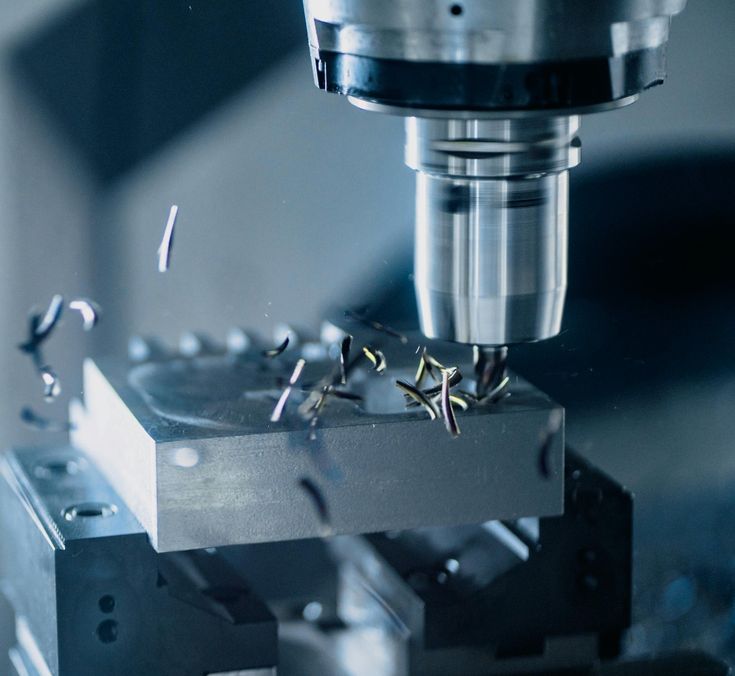
Quality control is the backbone of successful CNC machining. Without a strict inspection process, even the most advanced machines cannot guarantee reliable results. A well-defined quality control workflow ensures that every part meets design requirements and performs as expected in real-world applications.
Material Verification
Quality control begins before machining starts. Raw materials are inspected to confirm grade, dimensions, and surface condition. This step ensures that only approved materials enter the production process, reducing the risk of defects later.
In-Process CNC Inspection
During machining, parts are checked at multiple stages. Operators verify critical dimensions, tool conditions, and machining parameters. In-process inspection helps identify deviations early, preventing costly rework or scrap.
Dimensional and Tolerance Checks
After machining, components undergo detailed measurement using precision tools such as calipers, micrometers, and coordinate measuring machines (CMM). These checks confirm that all dimensions and tolerances match the design specifications.
Final Quality Approval
Before shipment, parts are visually inspected and reviewed against quality standards. Only components that pass final inspection are approved for delivery. This step ensures consistency, reliability, and customer satisfaction.
Why Quality Control Matters
A strong quality control system improves product reliability, reduces waste, and builds trust with customers. It also supports compliance with international standards and helps manufacturers maintain a competitive edge.